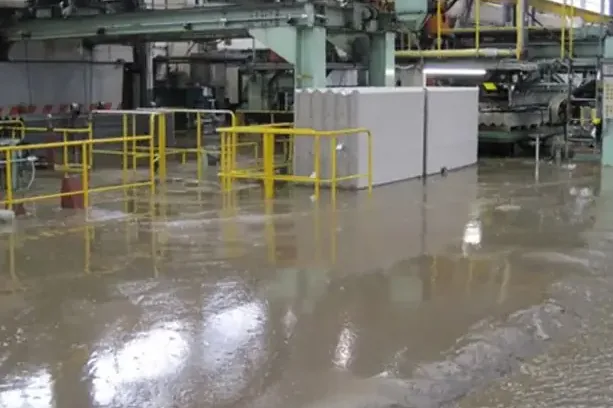
Commercial losses add problems a house does not have: tenants, customers, inventory, records and equipment, plus a building that may never close. The restoration contractor who responds plans the work in phases so part of the space keeps running while the rest dries.
Properties covered
- Storefronts and restaurants on the main commercial streets
- Offices, clinics and small warehouses
- Apartment buildings and shared community buildings
- Barns, workshops and ranch buildings
Between units, water from one tenant reaches the next, so the crew checks walls and ceilings on both sides.
Keeping the doors open
The crew contains wet areas with plastic, sets equipment to run after hours where possible and moves inventory and records out of the way first. Category 3 water from a sewer or roof drain gets the full containment and antimicrobial process.
- Moisture map shared with the owner or manager
- Daily readings and drying logs
- Photos for each tenant space affected
- Safety signs and cord management in public areas
Records for the claim
Commercial policies often require prompt mitigation and detailed records, and the drying log, photos and itemized scope give the owner and the carrier the same picture. OSHA rules cover worker safety on the job, and Ready.gov business planning helps prepare for the next one.
Structural drying explains the equipment side in detail.