24/7 emergency water damage restoration across East County San DiegoStructural drying to the IICRC S500 standard
Lakeside Water Damage RestorationEast County · San Diego
Leaks under the concrete

Slab Leak Water Damage in Lakeside, CA

A pinhole in the copper under a Lakeside slab soaks the flooring from below long before anyone sees water. The mitigation team lifts what is wet, dries the concrete and walls to a reading and documents it for the claim.

(888) 450-9281Call before it spreads to more rooms
  • Slab moisture readings
  • LGR and desiccant drying
  • Flooring lifted only where wet
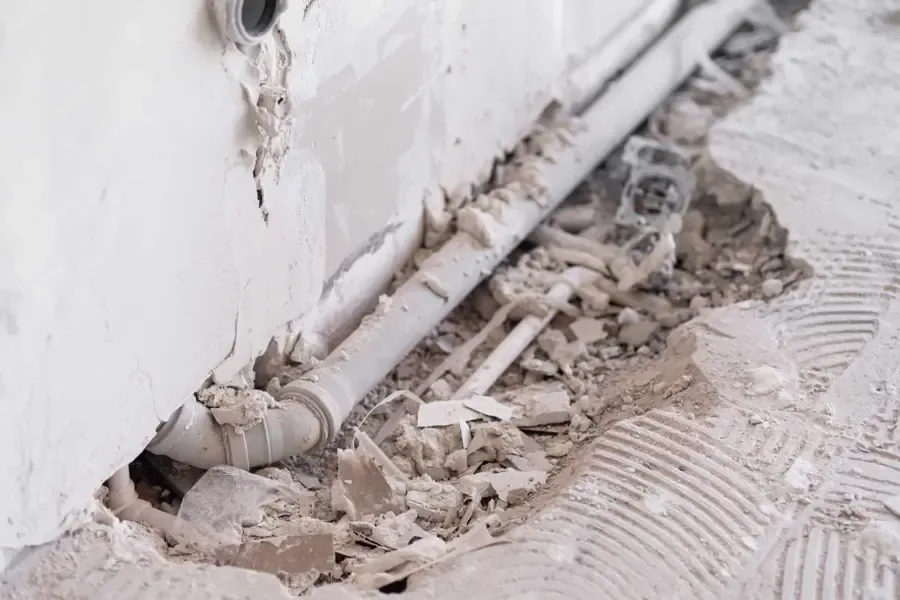
Tile and mortar chipped out of a concrete slab to expose a leaking water pipe
Water category1, clean supply
Class of lossOften 4, concrete
Typical drying4 to 10 days
Drying standardIICRC S500
First steps

What to do first about slab leak water damage

These steps are safe for most people before help arrives. If water reaches outlets or smells like sewage, skip straight to the call.

  1. 1

    Check the meter

    With every tap and appliance off, a moving leak indicator means water is escaping somewhere.

  2. 2

    Shut off the main

    Close the main shutoff if the meter keeps moving, or the water heater cold valve if only hot water leaks.

  3. 3

    Mark the warm or wet spots

    Note where the floor feels warm or damp so the plumber and the drying team start there.

  4. 4

    Pull rugs and photograph

    Lift area rugs off wet spots and take photos before any flooring comes up.

The standard

The standard behind every slab leak water damage job

01

Rapid local response

Dispatch runs around the clock, and the first questions are which rooms are wet and whether the water is clean, gray or sewage.

02

IICRC S500 drying standard

IICRC S500 is the industry drying standard. The drying team pulls equipment only when the readings say dry.

03

Claim-ready documentation

Most crews log daily moisture readings, psychrometric data and timestamped photos, the file an adjuster reads.

04

East County water know-how

Slab pinholes, septic backups, roof cooler leaks and winter runoff are everyday losses in the river valley.

Typical costs

What does slab leak water damage cost in Lakeside, CA?

Slab leak water damage cleanup here typically runs $2,500 to $12,000, not counting the plumbing repair. The wet area under the floor, the type of flooring and how long the leak ran set the number.

One room, caught early

$2,500 to $5,000

  • Carpet and pad or one hard floor
  • Slab dried with LGR dehumidifiers
  • Daily readings to a dry reference

Kitchen and the next rooms

$5,000 to $9,000

  • Cabinets and toe kicks opened
  • Flood cuts on lower walls
  • Desiccant or mat drying on the slab

Long-running or hot-side leak

$9,000 to $12,000+

  • Several rooms of flooring lifted
  • Containment while drying
  • Full claim file with photos

Typical ranges, not a quote: the category of water, the square footage, the material class and how fast drying started move the number most. Try the water damage cost calculator for a planning range.

The process

How slab leak water damage is handled, step by step

Every competent dry-out sits on the same four steps. What changes from job to job is the category of water and how far into the structure it reached.

  1. 1

    Map the slab

    Meters show how far the water spread under the floor.

  2. 2

    Open up

    The crew lifts wet flooring, pad and baseboards.

  3. 3

    Dry the concrete

    Dehumidifiers and air movers run around the clock.

  4. 4

    Prove it dry

    Readings must match a dry room before flooring goes back.

In depth

A slab leak is a supply pipe failing inside or under a concrete floor. Many East County tract homes from the 1960s to the 1980s have copper running under the slab, and hard imported water, soil movement and age wear it thin until a pinhole opens. The water comes up through the floor, so the damage sits under carpet, laminate and tile first.

Signs of a slab leak

  • The water meter moves with every tap and appliance off
  • A warm spot on the floor, usually from the hot side
  • Damp carpet, cupping laminate or cracked grout with no visible leak
  • The sound of running water and a jump in the water bill

The EPA WaterSense leak checks include the quickest meter test.

Who does what

A plumber finds the pipe with electronic leak detection and repairs it, either through the slab or by rerouting the pipe through the walls or attic.

The restoration team handles the water: it maps how far moisture spread under the flooring, lifts carpet, pad, laminate or tile only where the readings say wet, and dries the slab and the bottom of the walls.

Why concrete dries slowly

Concrete holds water deep and releases it slowly, which makes most slab leaks a Class 4 loss. The drying team runs LGR or desiccant dehumidifiers, sometimes with drying mats on the slab, until readings match a dry reference in another room.

  • Dry reference taken from an unaffected room
  • Readings logged daily on the same marked spots
  • Flooring goes back only after the slab reads dry

The EPA moisture guide explains the 24 to 48 hour window, and the drying time estimator gives a rough range for a slab. Structural drying covers the equipment in detail.

Service area

Slab leak water damage across Lakeside and East County

From Old Town, Maine Avenue and Lindo Lake out to Winter Gardens, Eucalyptus Hills, Lake Jennings, Blossom Valley and Flinn Springs, the restoration team covers ZIP 92040 and the river bottom along Riverford Road, around the clock.

Nearby coverage reaches El Cajon, Santee, Bostonia, Granite Hills, Harbison Canyon, Alpine and Ramona.

Every neighborhood and ZIP covered

Questions

Common questions about slab leak water damage

Slab leak soaking the floor? The mitigation team dries it out 24/7.

Start drying the slab
How long does a slab take to dry after a leak?

Usually four to ten days. Concrete gives up water slowly, and a leak that ran for weeks soaks deeper. The drying team keeps the equipment running until readings match a dry reference, not until the surface looks dry.

Does all the flooring have to come up?

Not always. Carpet and pad over the wet area usually come up, and tile can sometimes stay if the readings allow drying through the grout. Laminate and engineered wood over a wet slab usually cannot be saved.

Who fixes the pipe?

A plumber finds and repairs the leak, either through the slab or by rerouting the pipe. The restoration team dries the slab and the structure, so the two trades usually work back to back.

Is slab leak water damage covered by insurance?

Many policies cover the sudden water damage and the cost of opening the floor to reach the pipe, but not the pipe itself. Coverage depends on your policy, so check with your own insurer.

Why do slab leaks happen so often in older East County homes?

Copper under 1960s to 1980s slabs has carried hard water for decades, and soil movement adds stress where pipes pass through the concrete. Pinholes form, usually on the hot side first.

Can a slab leak cause mold?

It can if the water sits under flooring for days, because the 24 to 48 hour growth window closes long before a slow leak is found. Fast drying and removing wet pad are the best prevention.

How do I know the slab is really dry?

The tech compares readings on marked spots against a dry reference taken from an unaffected room. When they match, and the log shows the trend, the slab is ready for new flooring.

24/7 dispatch

Warm spot or wet carpet with no leak in sight?

A slab leak keeps spreading under the floor until the pipe is fixed and the concrete is dried.

(888) 450-9281Report the slab leak

Coverage The San Diego River valley and East County

Call (888) 450-9281Any hour