24/7 emergency water damage restoration across East County San DiegoStructural drying to the IICRC S500 standard
Lakeside Water Damage RestorationEast County · San Diego
Winter storm water

Storm Runoff and Flood Cleanup in Lakeside, CA

A long winter storm sends water off slopes, driveways and the river bottom and in under the doors. The mitigation team treats it as contaminated, pulls it out and dries the house to the IICRC S500 standard.

(888) 450-9281Storm water inside? Get it handled
  • Runoff treated as Category 3
  • Flood cuts and containment
  • Desiccant drying for slabs
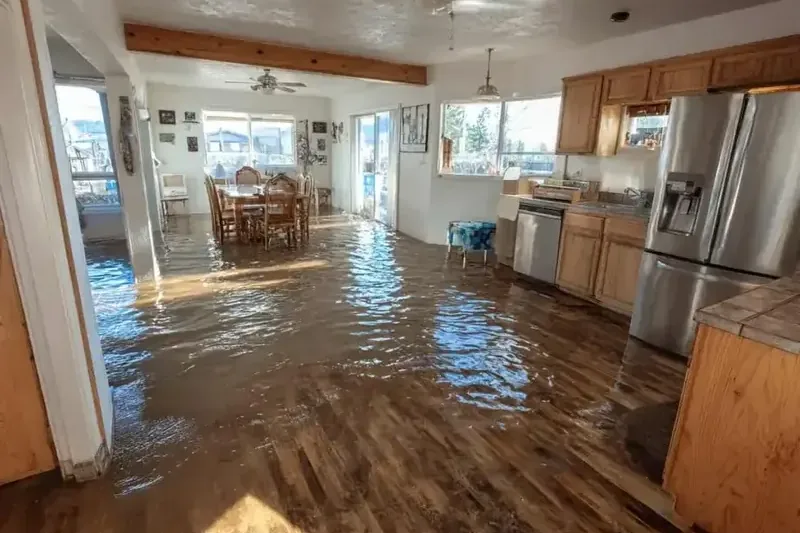
Storm floodwater spread across the kitchen and living area of a house
Water category3, outside water
Common entryDoors, garages, slab edges
Typical drying4 to 8 days
Drying standardIICRC S500
First steps

What to do first about storm runoff and flood cleanup

These steps are safe for most people before help arrives. If water reaches outlets or smells like sewage, skip straight to the call.

  1. 1

    Stay safe

    Avoid walking through moving water and stay away from wet outlets and panels.

  2. 2

    Stop more water

    Block the low doorway and clear debris from drains if it is safe.

  3. 3

    Photograph the high-water mark

    Take photos of the water height on walls before anything is moved.

  4. 4

    Move belongings up

    Lift what you can onto tables or upstairs, away from the wet floor.

The standard

The standard behind every storm runoff and flood cleanup job

01

Rapid local response

Dispatch runs around the clock, and the first questions are which rooms are wet and whether the water is clean, gray or sewage.

02

IICRC S500 drying standard

IICRC S500 is the industry drying standard. The drying team pulls equipment only when the readings say dry.

03

Claim-ready documentation

Most crews log daily moisture readings, psychrometric data and timestamped photos, the file an adjuster reads.

04

East County water know-how

Slab pinholes, septic backups, roof cooler leaks and winter runoff are everyday losses in the river valley.

Typical costs

What does storm runoff and flood cleanup cost in Lakeside, CA?

Storm runoff and flood cleanup here usually runs $4,000 to $20,000, because contaminated flooring and lower drywall come out. The depth of the water, the rooms it reached and the mud it carried set the number.

Garage or one room

$4,000 to $8,000

  • Mud removal and extraction
  • Lower drywall cut out
  • Antimicrobial treatment

Several rooms

$8,000 to $14,000

  • Flooring and pad removed
  • Containment and air scrubbers
  • Desiccant drying

Whole floor of the home

$14,000 to $20,000+

  • Cabinets and doors affected
  • Contents pack-out
  • Full claim documentation

Typical ranges, not a quote: the category of water, the square footage, the material class and how fast drying started move the number most. Try the water damage cost calculator for a planning range.

The process

How storm runoff and flood cleanup is handled, step by step

Every competent dry-out sits on the same four steps. What changes from job to job is the category of water and how far into the structure it reached.

  1. 1

    Extract

    The crew pumps and extracts water and shovels out mud.

  2. 2

    Remove

    Touched porous materials come out and go to disposal.

  3. 3

    Clean and treat

    The crew washes surfaces and applies an antimicrobial.

  4. 4

    Dry

    Dehumidifiers run until the readings say dry.

In depth

Most of the year East County is dry, then a few winter storms deliver much of the rain at once. Hillside lots shed water fast, the San Diego River and Los Coches Creek rise, and runoff finds the low doorway, the garage slab or the gap under a slider.

Why runoff counts as contaminated

Water that crossed yards, streets and fields carries soil, fertilizer, animal waste and fuel. The IICRC standard treats it as Category 3, so the crew removes porous materials it touched rather than drying them.

  • Carpet and pad pulled and discarded
  • Drywall cut at least 2 feet above the water mark
  • Mud shoveled out and the floor cleaned before drying
  • Surfaces treated with an EPA-registered antimicrobial

Where the water comes in

Lots at the base of a slope or below a long driveway take the most water, and so do homes near the river bottom and the creeks. Flat ground with no fall away from the walls lets water sit against the slab edge.

The Ready.gov flood page covers safety during the storm, and the FEMA flood maps shows mapped flood zones.

Drying after a storm

Indoor humidity climbs during a rainy stretch, so the drying team leans on LGR or desiccant dehumidifiers and keeps doors closed. The storm runoff risk check helps plan before the next storm, and sewage cleanup explains the same Category 3 steps for backups.

Service area

Storm runoff and flood cleanup across Lakeside and East County

From Old Town, Maine Avenue and Lindo Lake out to Winter Gardens, Eucalyptus Hills, Lake Jennings, Blossom Valley and Flinn Springs, the restoration team covers ZIP 92040 and the river bottom along Riverford Road, around the clock.

Nearby coverage reaches El Cajon, Santee, Bostonia, Granite Hills, Harbison Canyon, Alpine and Ramona.

Every neighborhood and ZIP covered

Questions

Common questions about storm runoff and flood cleanup

Runoff came in under the door? The crew is on call 24/7.

Clear the storm water out
Is storm runoff covered by homeowners insurance?

Usually not. Water rising from outside is normally a flood claim under a separate flood policy, while wind-driven rain through a damaged roof may be treated differently. Coverage depends on your policy, so check with your own insurer.

Why does the drywall have to come out?

Runoff is Category 3 water. Drywall and insulation it soaked hold contamination that cleaning cannot reach, so the crew cuts them out, usually at least 2 feet above the water mark.

Can hardwood or tile survive a flood?

Tile set on a slab often survives after cleaning. Hardwood, laminate and carpet touched by runoff are usually removed.

How long does the house take to dry?

Usually four to eight days after removal, longer when the slab soaked for a long time or the weather stays wet.

What should I do before the next storm?

Clear gutters and drains, extend downspouts away from the house, check that the ground slopes away from the walls and keep sandbags for low doorways.

Do I need a separate flood policy?

Many homeowners policies exclude flood. The National Flood Insurance Program and private insurers sell flood policies, and an agent can explain the waiting period.

24/7 dispatch

Winter storm put water in the house?

Runoff carries soil and waste, so the cleanup starts with removal, not just fans.

(888) 450-9281Report the runoff damage

Coverage The San Diego River valley and East County

Call (888) 450-9281Any hour