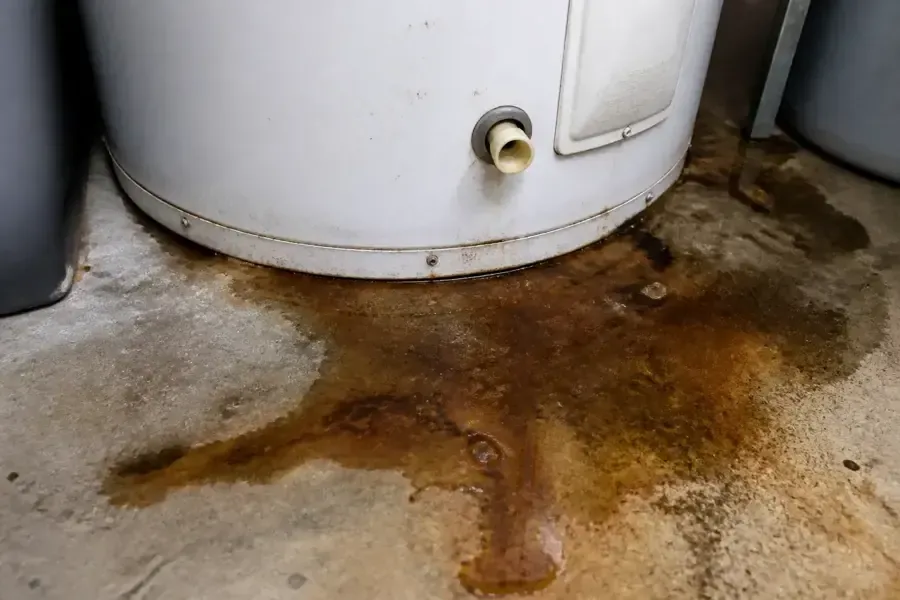
San Diego County's imported water is hard, and minerals settle in the bottom of a tank year after year. Sediment and corrosion wear the tank out, often within 8 to 12 years, and the failure comes as a slow drip at the base or a sudden split.
Where the water goes
A garage water heater floods the slab and runs under the door into the house. A closet unit inside soaks drywall, baseboards and the flooring next to it, and in a manufactured home the water often drops through the floor into the belly.
- Garage slab and the drywall at the base of the shared wall
- Hallway flooring and carpet next to a closet unit
- Particleboard floor and belly insulation in a manufactured home
- Cabinets and stored boxes nearby
After the tank is replaced
A plumber replaces the tank and the drain pan; the drying team dries everything the water reached. The EPA WaterSense program covers water-saving fixtures, and the CPSC tracks recalls on water heaters and valves.
When the water reached a manufactured home's floor system, manufactured home water damage covers the belly work.
Signs a tank is close to failing
- Rust-colored hot water or rust at the base
- Rumbling or popping as sediment heats
- A wet pan or damp drywall behind the tank
- Water at the relief valve discharge pipe